


Energy is no longer just about keeping the lights on. Today, it is about keeping entire economies moving.
Hospitals, airports, factories, data centers, transportation networks, and cities all depend on energy systems that are under more pressure than ever before. Demand is climbing. Infrastructure is aging. Regulations are changing. And the rise of artificial intelligence is adding an entirely new layer of complexity.
The challenge is no longer simply producing more energy. The real challenge is figuring out how to use it more intelligently. That is exactly where the next chapter of energy begins.
Why the Energy Conversation Has Changed
For decades, energy companies focused on one thing: scale. Produce more. Build more. Expand faster. But that approach is no longer enough. The world now needs energy systems that are not only bigger, but smarter.
Artificial intelligence, connected controls, cloud platforms, and real-time monitoring are changing the way energy is produced, managed, and distributed. Instead of reacting to problems after they happen, companies are beginning to predict them before they occur.
That shift could not come at a better time. Across the world, utilities and industrial operators are dealing with:
- Rising energy demand
- Aging infrastructure
- Workforce shortages
- Greater pressure to cut emissions
- Unpredictable global energy markets
Traditional systems were not designed for this level of complexity. Connected energy systems are.
AI Is Driving a New Wave of Energy Demand
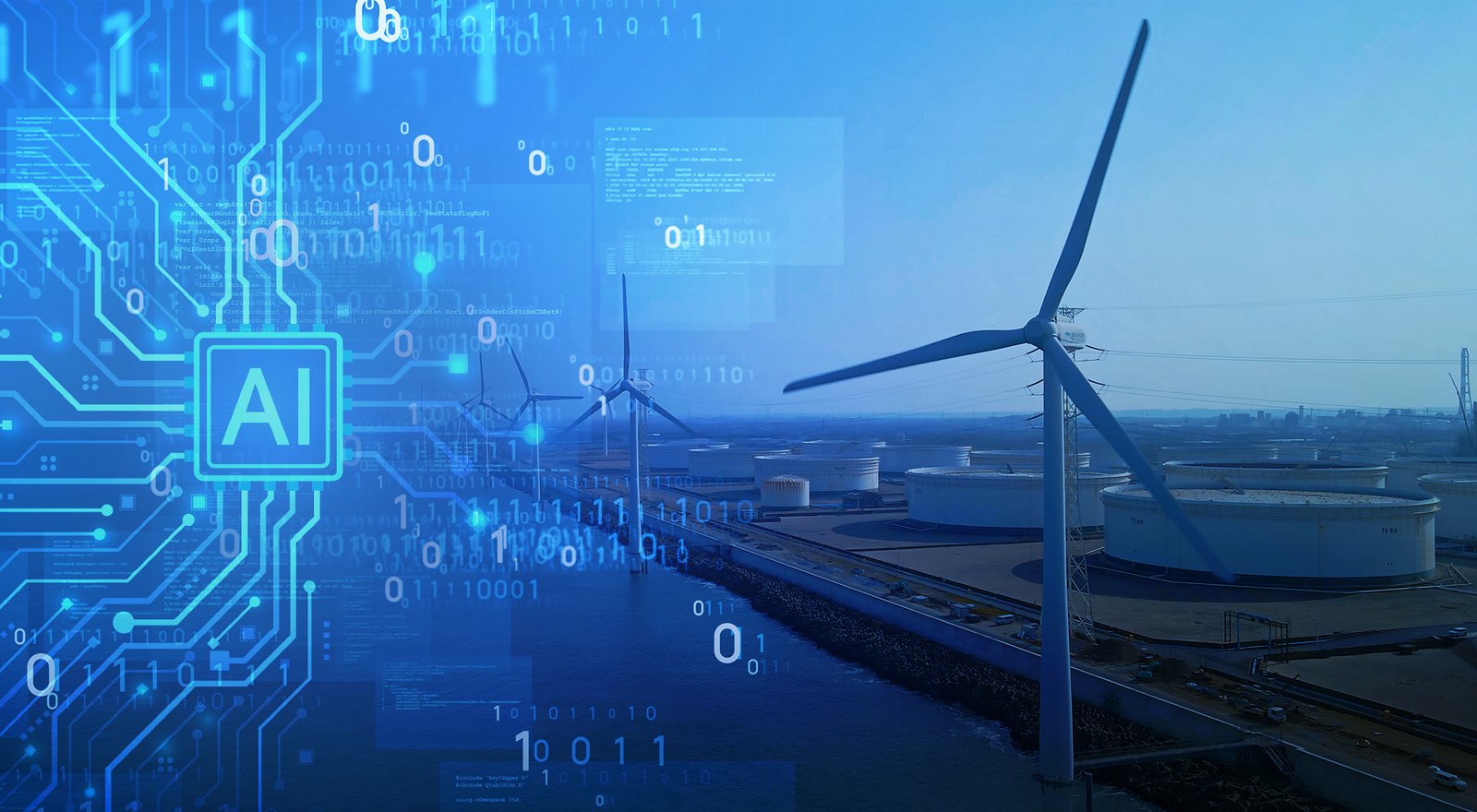
Artificial intelligence is transforming almost every industry. But it is also creating a surprising new problem. AI itself requires enormous amounts of power. Data centers, advanced computing systems, and cloud infrastructure are consuming more electricity than ever before. As AI continues to spread, that demand will only increase.
The question is no longer whether energy systems need to grow. The question is whether they can grow without becoming inefficient, unstable, or too expensive.
The answer lies in using AI to manage the very systems that power it. Connected operations make it possible to:
- Monitor energy use in real time
- Predict equipment failures before they happen
- Balance supply and demand automatically
- Reduce waste across large industrial sites
- Improve performance without expanding infrastructure unnecessarily
In other words, AI is not just increasing demand. It is also becoming one of the best tools available to manage that demand.
The Future of Energy Will Depend on Flexibility
There is no longer one clear answer to where energy should come from. Countries and companies are now relying on a broader mix of sources, including:
- Traditional power generation
- Renewable energy
- Hydrogen
- Battery storage
- Nuclear
- Sustainable fuels
That is because energy security has become just as important as energy availability. Recent years have shown how quickly global events can disrupt supply chains, fuel costs, and access to power. Companies can no longer afford to depend too heavily on one source or one region.
The future belongs to energy systems that are more flexible and more resilient. That means building infrastructure that can adapt quickly, connect different energy sources, and continue operating even when conditions change. Modular systems, connected controls, and digital platforms are making that possible.
Connected Controls Are Replacing Manual Decision-Making
For years, energy systems relied heavily on human operators making decisions based on limited information. That approach worked when systems were smaller and simpler.
But modern infrastructure moves too quickly for manual oversight alone. Connected controls allow operators to see what is happening across an entire network in real time.
Instead of monitoring one machine or one facility at a time, they can oversee hundreds of assets at once. These systems can automatically detect:
- Performance drops
- Equipment failures
- Unusual energy use
- Maintenance needs
- Safety risks
The biggest advantage is speed. Problems that once took days to identify can now be spotted in minutes. And in industries where downtime can cost millions, that difference matters.
Why Workers Matter More Than Ever
There is a common fear that AI and automation will replace people. But inside modern energy systems, the opposite is often happening. The most successful companies are using AI to make workers more effective, not less important.
When repetitive tasks are automated, operators can spend more time solving complex problems, improving performance, and making better decisions. AI-powered systems help employees by:
- Delivering real-time insights
- Reducing manual monitoring
- Highlighting risks earlier
- Making maintenance planning easier
- Supporting faster decision-making
The result is not a workforce that does less.
It is a workforce that can do more. That is especially important as many industries struggle with labor shortages and the retirement of experienced workers. Connected technology helps preserve knowledge, improve training, and support the next generation of operators.
The Push Toward Autonomy Is Already Happening
The conversation is no longer just about automation. It is about autonomy.
Automation helps machines follow instructions. Autonomy allows systems to learn, adjust, and make decisions with very little human involvement. That shift is already taking place across industries like:
- Buildings and smart facilities
- Manufacturing
- Energy and utilities
- Mining
- Aviation
- Industrial infrastructure
A modern building, for example, can now adjust lighting, temperature, security, and energy use automatically based on occupancy, weather, and demand.
An industrial plant can predict when equipment will fail before production is interrupted. A refinery can use digital twins to test changes virtually before making them in the real world. What once sounded futuristic is quickly becoming standard.
Why Digital Twins and Edge Intelligence Matter
One of the most exciting parts of this shift is the rise of digital twins and edge intelligence.
A digital twin is a virtual version of a real system. It allows companies to simulate operations, test new ideas, and understand what could happen before making expensive decisions. That means companies can:
- Test investments before spending money
- Predict maintenance needs
- Reduce risk
- Improve performance
- Plan more accurately
Edge intelligence adds another layer. Instead of sending all data back to a central cloud system, edge devices process information locally and instantly. This matters because it allows systems to react faster.
In environments like factories, power plants, and mines, even a few seconds can make a major difference. The combination of digital twins, AI, and edge intelligence is creating infrastructure that is not only connected, but truly intelligent.
Sustainability Is Becoming a Technology Challenge
Energy companies are under growing pressure to reduce emissions. But sustainability is no longer just an environmental issue. It has become a technology issue too. Cleaner energy systems require:
- Better monitoring
- Smarter planning
- More efficient equipment
- Faster data analysis
That is why many companies are now investing in sustainable aviation fuel, smarter buildings, renewable integration, and more efficient industrial operations.
Technology is making those goals more realistic. Instead of forcing companies to choose between growth and sustainability, connected systems make it possible to pursue both at the same time.
Final Thoughts
The future of energy will not be defined by how much power we can produce. It will be defined by how intelligently we use it. As AI, connected controls, cloud systems, and autonomous operations continue to grow, the line between the physical world and the digital world is disappearing. Energy systems are becoming faster, smarter, and more responsive.
And the companies that succeed will not necessarily be the ones with the biggest infrastructure. They will be the ones with the most connected infrastructure. Because in the next era of energy, intelligence may become the most valuable resource of all.