



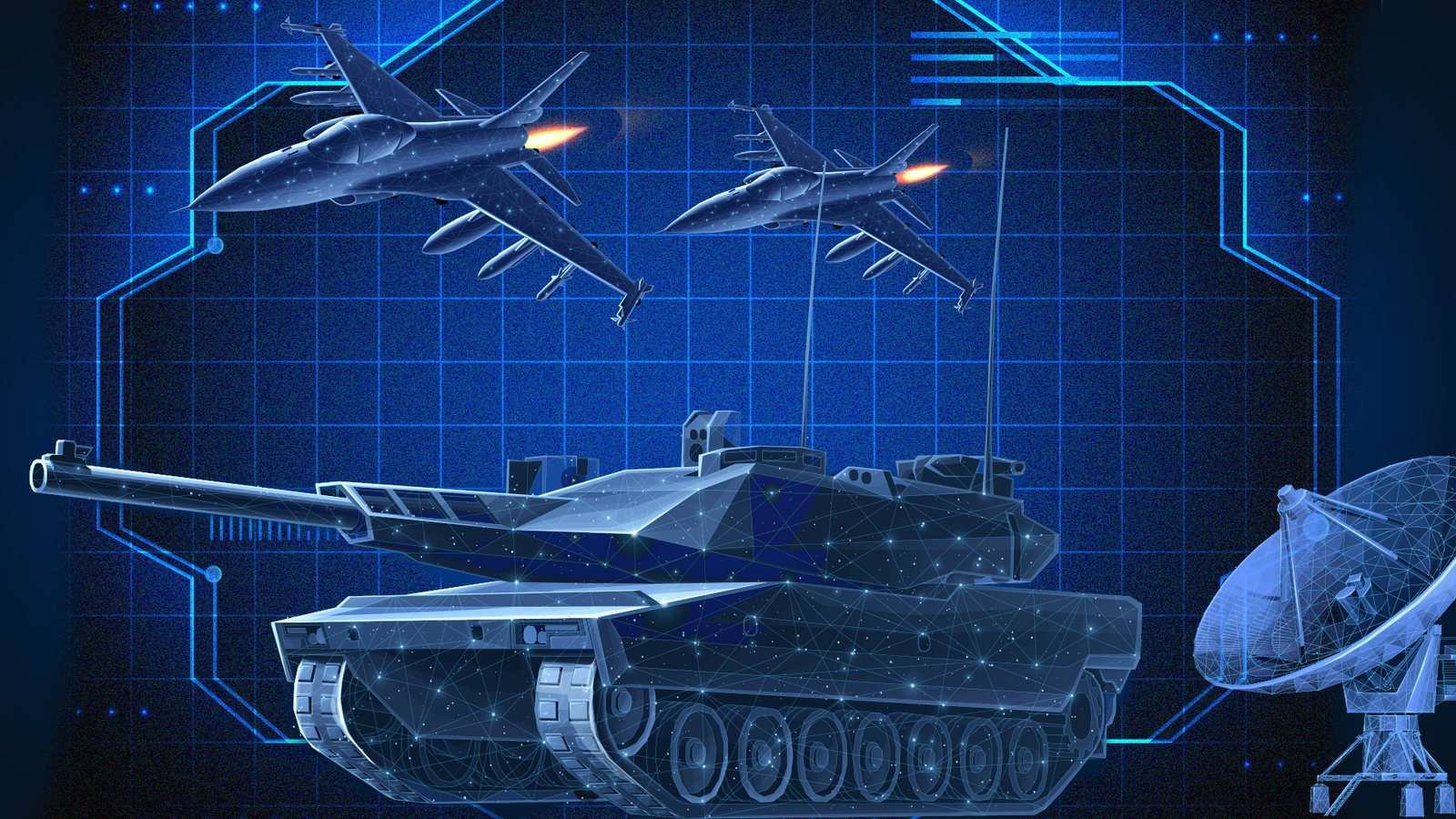
The defence industry plays a vital role in ensuring a nation’s security and sovereignty. At the core of this industry are specialized machinery and tools used to design, manufacture, test, and maintain military equipment. From weapons systems to vehicles, aircraft, and communication technologies, defence industry machinery supports the armed forces by providing reliable, advanced, and efficient equipment. As global security challenges evolve, the importance of modern defence machinery and tools continues to grow.
Role of Machinery in the Defence Industry
Defence industry machinery refers to the advanced equipment used in the production of military hardware. These machines are designed to meet extremely high standards of precision, durability, and performance. Defence manufacturing requires exact specifications, as even minor defects can compromise safety and mission success.
Machinery such as CNC machines, precision lathes, milling machines, and advanced welding systems are commonly used to produce components for tanks, aircraft, missiles, and naval vessels. These machines enable manufacturers to create complex parts with strict tolerances, ensuring reliability under extreme conditions such as high pressure, heat, and impact.
Tools Used in Defence Manufacturing
In addition to large machinery, specialized tools play a critical role in the defence industry. These include measurement and inspection tools, testing equipment, and assembly tools designed for high accuracy. Advanced tools such as laser measurement systems, non-destructive testing devices, and digital calibration instruments are used to detect flaws and ensure quality.
Modern defence tools also include software-based tools for design and simulation. Computer-Aided Design (CAD) and Computer-Aided Manufacturing (CAM) systems allow engineers to design components, simulate real-world conditions, and optimize performance before production begins. This reduces errors, saves resources, and accelerates development timelines.
Technological Advancements in Defence Machinery
Technological innovation has transformed defence industry machinery and tools. Automation and robotics are increasingly used in defence manufacturing to improve efficiency and consistency. Robotic systems can perform tasks such as welding, painting, and assembly with high precision, reducing human error and enhancing safety.
Additive manufacturing, commonly known as 3D printing, has also become an important tool in the defence sector. It allows for rapid prototyping and the production of complex parts that are difficult to manufacture using traditional methods. This technology is especially useful for producing spare parts in remote or battlefield conditions.
Artificial intelligence and data analytics are being integrated into defence machinery to improve predictive maintenance and quality control. Smart machines can monitor their own performance, identify potential faults, and reduce downtime, ensuring continuous and reliable production.
Contribution to National Security
The defence industry directly supports national security by ensuring that armed forces are equipped with modern, reliable, and effective systems. Advanced machinery enables faster production of defence equipment, allowing nations to respond quickly to emerging threats.
Domestic defence manufacturing also reduces dependence on foreign suppliers, strengthening strategic independence. By investing in local defence machinery and tools, countries can protect sensitive technologies and maintain control over critical defence capabilities.
Furthermore, high-quality defence machinery ensures that military equipment meets international safety and performance standards. This enhances the effectiveness of defence forces during operations and contributes to peacekeeping and deterrence efforts.
Challenges in Defence Industry Manufacturing
Despite its importance, defence manufacturing faces several challenges. Defence machinery is expensive to develop and maintain, requiring significant investment. Strict regulations and security requirements also limit flexibility in production and increase operational complexity.
Another challenge is the need for highly skilled personnel. Operating and maintaining advanced defence machinery requires engineers, technicians, and specialists with extensive training. As technology evolves, continuous learning becomes essential to keep pace with new systems.
Cybersecurity is an emerging concern, as defence machinery increasingly relies on digital systems. Protecting manufacturing infrastructure from cyber threats is crucial to prevent sabotage, data theft, or system failures.
Future Outlook
The future of defence industry machinery and tools lies in greater automation, digital integration, and sustainability. Smart factories, powered by interconnected machines and AI-driven systems, will enhance efficiency and responsiveness. Advanced materials and energy-efficient manufacturing processes will also play a key role in reducing environmental impact.
Collaboration between governments, defence organizations, and private industries will be essential to drive innovation. Investment in research, development, and workforce training will ensure that defence machinery continues to support national security in an increasingly complex global environment.
Conclusion
Defence industry machinery and tools are fundamental to strengthening national security. Through precision manufacturing, advanced technologies, and reliable production systems, they ensure that defence forces are well-equipped to protect the nation. While challenges such as high costs and security risks exist, continued innovation and strategic investment will enable the defence industry to meet future demands. In an uncertain world, strong defence manufacturing capabilities remain a cornerstone of national safety and sovereignty.