


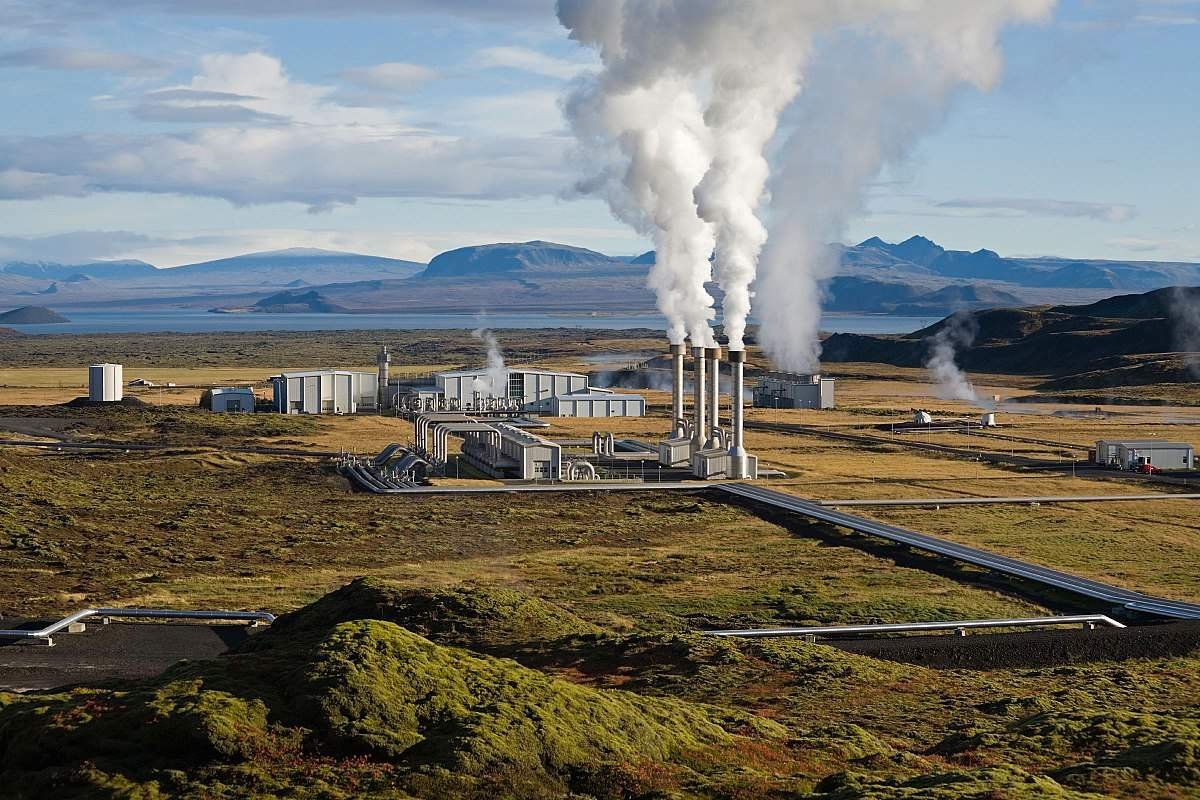
The global power generation landscape is undergoing one of the most significant transformations in its history. Driven by climate concerns, rising energy demand, technological innovation, and policy shifts, how electricity is produced, managed, and consumed is changing rapidly. Traditional centralized fossil-fuel power plants are gradually giving way to cleaner, smarter, and more decentralized systems. These changes are not only reshaping the energy industry but also influencing economies, geopolitics, and daily life.
The Shift Toward Renewable Energy
One of the most visible trends in power generation is the rapid growth of renewable energy sources, particularly solar, wind, and hydropower. Falling technology costs have played a major role. Over the past decade, the cost of solar photovoltaic (PV) panels and wind turbines has dropped dramatically, making renewables competitive with, and often cheaper than, coal or gas-fired power plants.
Governments around the world are also pushing renewables through incentives, regulations, and long-term climate goals. Many countries have committed to net-zero emissions targets, which requires a sharp reduction in carbon-intensive power generation. As a result, large-scale solar farms, offshore wind projects, and hybrid renewable plants are becoming common features of modern power grids.
Decline of Coal and Changing Role of Gas
Coal, once the backbone of global electricity generation, is in steady decline in many regions. Environmental regulations, carbon pricing, and public pressure have made coal-fired power plants less attractive. Many utilities are retiring aging coal plants earlier than planned, replacing them with cleaner alternatives.
Natural gas, while still a fossil fuel, has taken on a transitional role. Gas-fired plants are more flexible than coal and can ramp output up or down quickly, making them useful for balancing variable renewable sources like wind and solar. However, concerns about methane emissions and long-term climate impact are prompting a gradual reassessment of gas as well, especially in regions aiming for deep decarbonization.
Rise of Distributed and Decentralized Generation
Power generation is no longer limited to large, centralized plants feeding electricity in one direction to consumers. Distributed energy resources (DERs) such as rooftop solar panels, small wind turbines, and community microgrids are becoming more widespread. Homes, businesses, and even factories are now both consumers and producers of electricity—often referred to as “prosumers.”
This decentralization improves resilience, especially during extreme weather events or grid outages. Microgrids can operate independently from the main grid, supplying critical facilities like hospitals, data centers, and emergency services. Advances in power electronics and digital control systems have made managing these decentralized systems more practical and reliable.
Energy Storage as a Game Changer
Energy storage is one of the most important technologies reshaping power generation. Batteries, particularly lithium-ion systems, are increasingly used to store excess electricity generated by renewables and release it when demand is high or generation is low. This helps address one of the main challenges of renewable energy: intermittency.
Beyond lithium-ion, other storage technologies are gaining attention, including flow batteries, pumped hydro storage, compressed air energy storage, and even hydrogen-based systems. As storage costs fall and performance improves, power grids can rely more heavily on renewables without sacrificing reliability.
Digitalization and Smart Grids
Digital technology is transforming how power is generated and managed. Smart grids use sensors, advanced meters, artificial intelligence, and data analytics to monitor electricity flows in real time. This allows utilities to predict demand more accurately, detect faults faster, and optimize generation across diverse energy sources.
Artificial intelligence and machine learning are increasingly used in power plants to improve efficiency, predict equipment failures, and reduce downtime. In renewable energy, AI helps forecast solar irradiance and wind patterns, enabling better integration into the grid. Digital twins—virtual replicas of physical power systems—are also emerging as powerful tools for testing scenarios and improving operational decisions.
Nuclear Power and New Designs
While controversial, nuclear power remains part of the conversation about low-carbon energy. Existing nuclear plants provide large amounts of reliable, carbon-free electricity. At the same time, new reactor designs, such as small modular reactors (SMRs), are being developed to address concerns around cost, safety, and scalability.
SMRs promise faster construction, lower upfront investment, and enhanced safety features compared to traditional large reactors. Although widespread deployment is still years away, nuclear technology may play a supporting role in future low-carbon power systems, particularly in regions with limited renewable resources.
Policy, Markets, and Consumer Influence
Power generation trends are closely tied to policy and market structures. Carbon pricing, renewable energy mandates, and energy efficiency standards are shaping investment decisions. At the same time, consumers are becoming more active participants in the energy system, choosing green power options, installing home solar systems, and using smart devices to manage electricity use.
Corporate demand for clean energy is also accelerating change. Many large companies are signing long-term power purchase agreements (PPAs) with renewable energy developers to meet sustainability goals and stabilize energy costs.
Conclusion
Power generation is evolving from a centralized, fossil-fuel-based model into a cleaner, smarter, and more flexible system. Renewable energy, energy storage, digital technologies, and decentralized generation are redefining how electricity is produced and delivered. While challenges remain—such as grid stability, resource availability, and equitable access—the ongoing transformation points toward a more resilient and sustainable energy future. How successfully societies manage this transition will play a crucial role in addressing climate change and meeting the world’s growing energy needs.