



The policy is expected to focus on attracting less capital intensive parts of the semiconductor ecosystem and not on manufacturing, or fabricating semiconductors, which costs billions of dollars and is extremely difficult.
The Delhi government has begun drafting a semiconductor policy aimed at positioning the Capital as a hub for chip design, research and advanced packaging, an official statement underlined on Sunday.
According to the government, the proposed policy is structured around five pillars — semiconductor design and intellectual property development, research, development and innovation; manufacturing-enabling activities such as Assembly, Testing, Marking and Packaging (ATMP) and Outsourced Semiconductor Assembly and Testing (OSAT), along with the development of ancillary industries; talent development and skilling; and strengthening of the startup and industrial ecosystem.
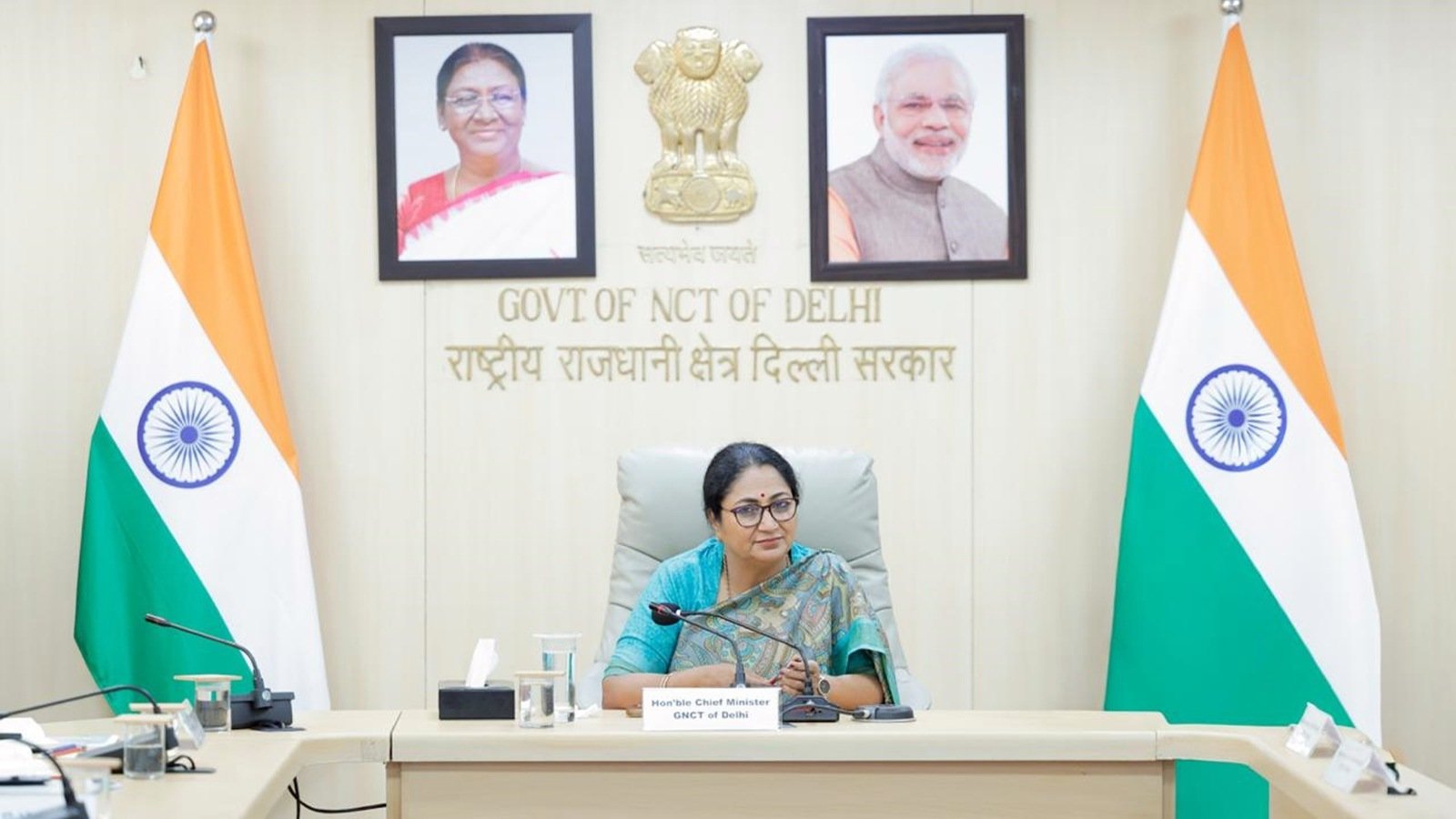
“The policy will generate high-quality job opportunities in areas such as chip design, semiconductor research, and advanced packaging. It also aims to promote skill development through targeted training programmes, internships, and industry-academia partnerships,” Chief Minister Rekha Gupta said.
The policy is expected to focus on attracting less capital intensive parts of the semiconductor ecosystem and not on manufacturing, or fabricating semiconductors, which costs billions of dollars and is extremely difficult.
The government hopes to attract the semiconductor ecosystem through capital subsidies, infrastructure development, and alignment with national initiatives, particularly the India Semiconductor Mission.
Why it’s significant
Semiconductors form the core of microchips used in almost all devices such as phones, computers, and cars. Increased digitalisation and automation mean chips are now part of almost all products we use.
Shortages of chips during the Covid-19 pandemic and Ukraine war led to massive disruptions to supply chains of numerous products. It also led to the realisation that these chips are crucial for economic and technological security.
At present, Taiwan, South Korea, Japan, China, and the US dominate production—with Taiwan alone making over 60% of the world’s semiconductors and 90% of the most advanced ones, creating risks if supply chains falter.
To address this, countries worldwide, including India, are investing in attempts to create diverse and domestic semiconductor ecosystems.
The Central government announced the India Semiconductor Mission (ISM) in December 2021 with an outlay of around $10 billion. The government said it wanted to focus primarily on subsidising the setting up of semiconductor fabrication, and assembly and testing plants, essentially meaning it extensively focused on setting up the physical infrastructure that can manufacture chips. This February, Union Finance Minister Nirmala Sitharaman announced ISM 2.0 to produce equipment and materials, design full-stack Indian intellectual property and fortify supply chains. Different states have also rolled out sops to attract this high-end sector.
India now has 10 approved semiconductor projects across six states.