





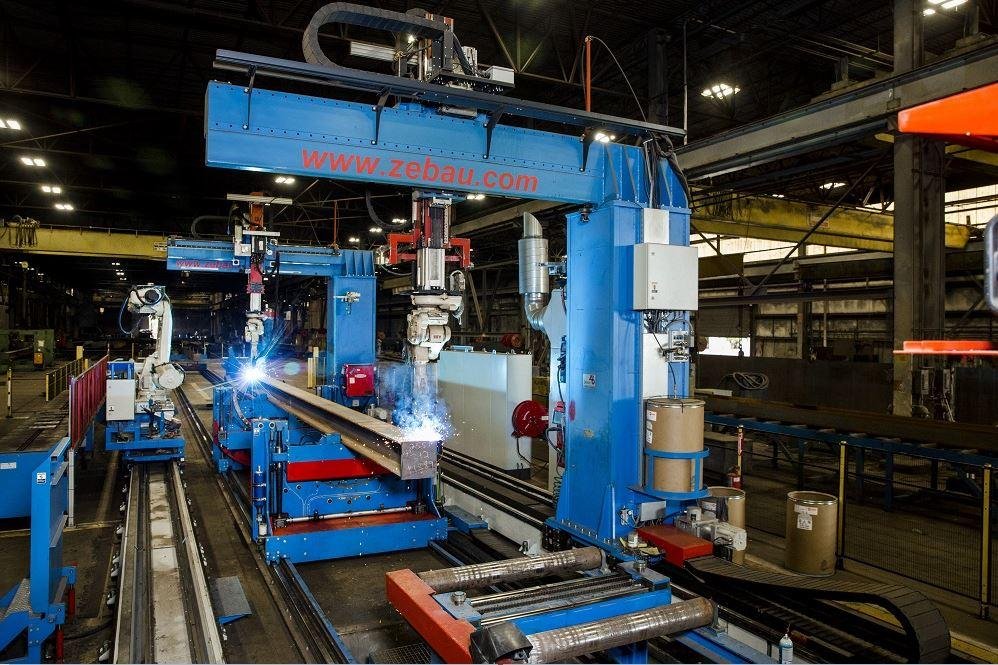
The defence manufacturing sector is embracing advanced technologies to enhance efficiency, precision, and safety. Heavy fabrication and robotic welding systems are two critical technologies revolutionizing production of military vehicles, aircraft, naval vessels, and other defence equipment. Platforms like DefExpo showcase these innovations, highlighting their role in strengthening national defence capabilities.
Heavy Fabrication in Defence
Heavy fabrication involves producing large, robust structures from metal and alloys, including armored vehicles, missile launchers, and naval vessels. Processes like cutting, bending, and assembling thick metal plates are performed using advanced machinery such as hydraulic presses, plate rolling machines, and CNC equipment.
Benefits of heavy fabrication include:
-
Precision and Strength: Ensures structural durability under extreme conditions.
-
Modular Design: Simplifies maintenance and future upgrades.
-
Consistency: Reduces defects and ensures uniform quality.
Robotic Welding Systems
Welding is essential for joining metal components in defence production. Manual welding is time-consuming and prone to errors. Robotic welding systems offer:
-
High Precision: Consistent weld quality for critical military components.
-
Efficiency: Continuous operation speeds up production.
-
Safety: Minimizes human exposure to hazardous tasks.
-
Flexibility: Robots can be programmed for multiple tasks and different projects.
Robotic systems are increasingly integrated with sensors, machine vision, and AI, allowing real-time quality checks and process optimization.
Integration and Impact at DefExpo
DefExpo is a key platform for showcasing these technologies. Demonstrations allow defence officials and industry leaders to evaluate performance, speed, and precision. It promotes collaboration, investment, and adoption of domestic manufacturing technologies, reducing dependence on foreign suppliers and boosting strategic independence.
Strategic Benefits
The adoption of heavy fabrication and robotic welding strengthens national defence by:
-
Enhancing Readiness: Faster, reliable production ensures the armed forces are well-equipped.
-
Boosting Efficiency: Automation reduces costs, material waste, and production time.
-
Promoting Innovation: Encourages research in AI-driven automation, Industry 4.0 integration, and advanced manufacturing techniques.
By combining advanced fabrication and robotic welding, nations can produce high-quality military equipment efficiently while maintaining technological sovereignty.
Conclusion
Heavy fabrication and robotic welding systems are transforming defence manufacturing. They provide precision, efficiency, safety, and flexibility—essential for producing reliable military hardware. Showcasing these technologies at platforms like DefExpo highlights a nation’s commitment to innovation, domestic manufacturing, and strong defence capabilities. The integration of these technologies ensures that armed forces remain modern, ready, and self-reliant, strengthening both industry and national security.