



Smart manufacturing is transforming the way products are designed, produced, and delivered. By combining advanced technologies such as Artificial Intelligence (AI), the Internet of Things (IoT), robotics, cloud computing, and data analytics, manufacturers can improve productivity, reduce costs, and enhance product quality. As industries embrace digital transformation, smart manufacturing has become a key driver of innovation and global competitiveness.
What Is Smart Manufacturing?
Smart manufacturing refers to the use of connected digital technologies to monitor, optimize, and automate manufacturing processes. Unlike traditional production systems, smart factories rely on real-time data collected from machines, sensors, and software platforms to make faster and more accurate decisions.
The primary goal is to create a highly efficient production environment where machines, systems, and people work together seamlessly. This enables manufacturers to respond quickly to changing market demands while maintaining high quality and operational efficiency.
Key Technologies Behind Smart Manufacturing
Several advanced technologies power modern smart manufacturing systems:
- Internet of Things (IoT)
IoT devices connect machines and equipment, allowing them to share real-time operational data. This helps manufacturers monitor performance, detect issues early, and improve production efficiency.
- Artificial Intelligence (AI)
AI analyzes large amounts of manufacturing data to predict equipment failures, optimize production schedules, improve quality control, and reduce waste.
- Robotics and Automation
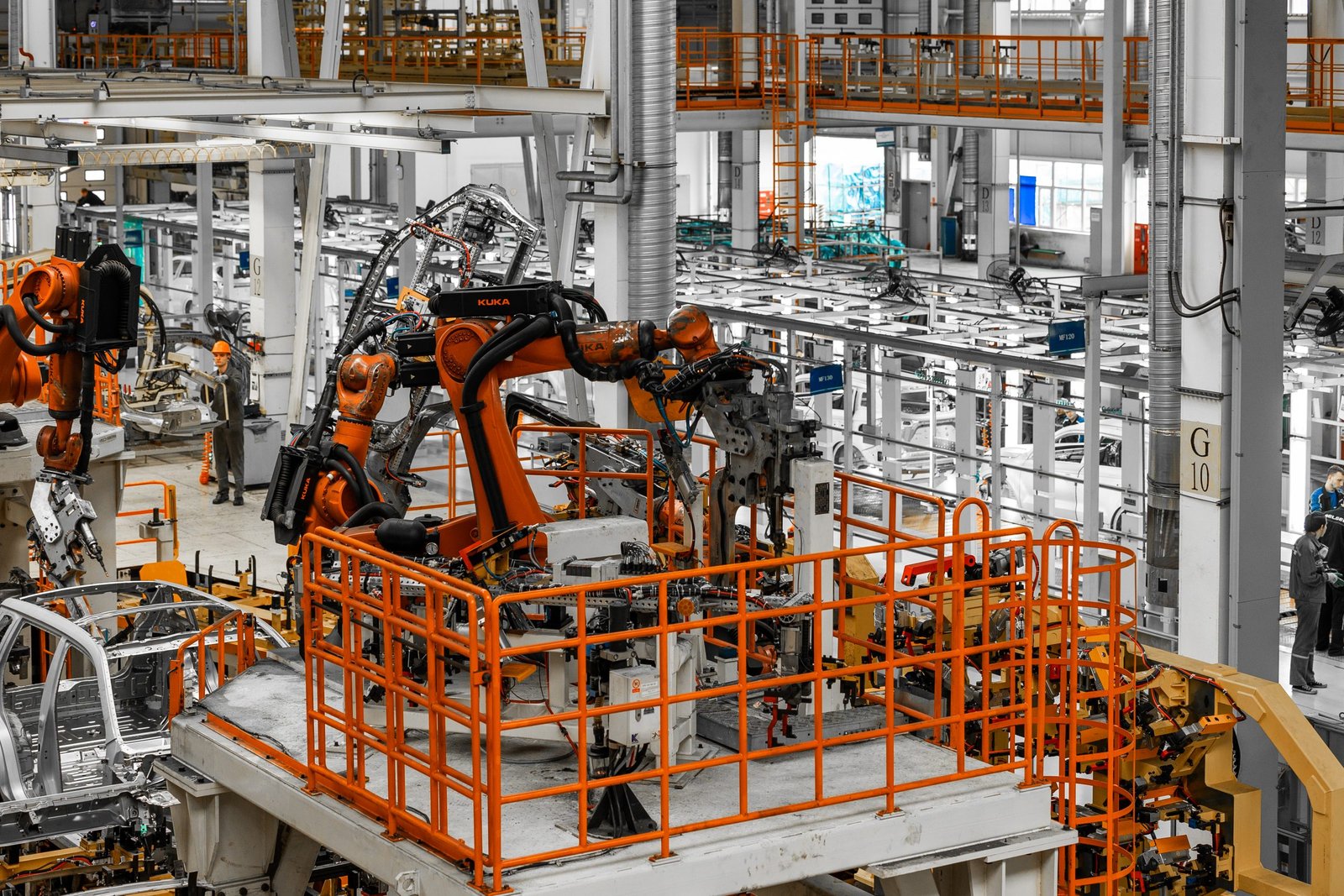
Industrial robots perform repetitive and complex tasks with speed and precision. Automation reduces human error, increases productivity, and improves workplace safety.
- Cloud Computing
Cloud platforms enable manufacturers to store, process, and access production data from anywhere. They also simplify collaboration across multiple factories and business locations.
- Big Data Analytics
Manufacturing generates enormous volumes of data every day. Advanced analytics helps businesses identify trends, optimize processes, and make informed business decisions.
- Digital Twins
A digital twin is a virtual replica of a physical machine or production system. Manufacturers use digital twins to simulate operations, test improvements, and predict maintenance needs before problems occur.
Benefits of Smart Manufacturing
The adoption of smart manufacturing offers numerous advantages across industries.
Higher Productivity: Automated systems and intelligent machines reduce downtime and improve production speed.
Better Product Quality: Continuous monitoring ensures consistent quality while minimizing manufacturing defects.
Lower Operating Costs: Predictive maintenance reduces unexpected equipment failures, saving repair costs and preventing production delays.
Greater Flexibility: Manufacturers can quickly adjust production lines to meet changing customer demands and customize products.
Improved Worker Safety: Automation handles hazardous tasks, reducing workplace accidents and creating safer working environments.
Sustainability: Smart manufacturing optimizes energy consumption, reduces waste, and supports environmentally responsible production.
Industries Using Smart Manufacturing
Many industries are rapidly adopting smart manufacturing technologies, including:
- Automotive manufacturing
- Electronics production
- Aerospace industry
- Pharmaceutical manufacturing
- Food and beverage processing
- Medical device manufacturing
- Consumer goods manufacturing
These sectors use connected systems to improve efficiency, maintain quality standards, and reduce production costs.
Challenges of Smart Manufacturing
While smart manufacturing offers significant benefits, companies also face several challenges.
The initial investment in advanced technologies can be expensive, particularly for small and medium-sized businesses. Manufacturers must also address cybersecurity risks, as connected systems are more vulnerable to cyber threats. Additionally, employees require new digital skills to manage AI-powered equipment, data analytics, and automated production systems.
Despite these challenges, long-term gains in productivity and efficiency often outweigh the upfront costs.
The Future of Smart Manufacturing
The future of smart manufacturing looks promising as technologies continue to evolve. Artificial Intelligence, 5G connectivity, edge computing, autonomous robots, and advanced machine learning will make factories even more intelligent and efficient.
Governments around the world are also supporting digital manufacturing initiatives through investments in Industry 4.0, semiconductor production, and advanced industrial infrastructure. As businesses continue to modernize, smart manufacturing is expected to play a central role in improving supply chains, increasing global competitiveness, and driving sustainable industrial growth.
Conclusion
Smart manufacturing is reshaping the global manufacturing industry by integrating digital technologies with traditional production processes. Through AI, IoT, robotics, cloud computing, and data analytics, manufacturers can improve efficiency, reduce operational costs, enhance product quality, and respond quickly to market demands.
As Industry 4.0 continues to expand, adopting smart manufacturing will become increasingly important for companies seeking long-term growth, innovation, and competitiveness. Businesses that embrace these intelligent technologies today will be better prepared for the factories of tomorrow.