



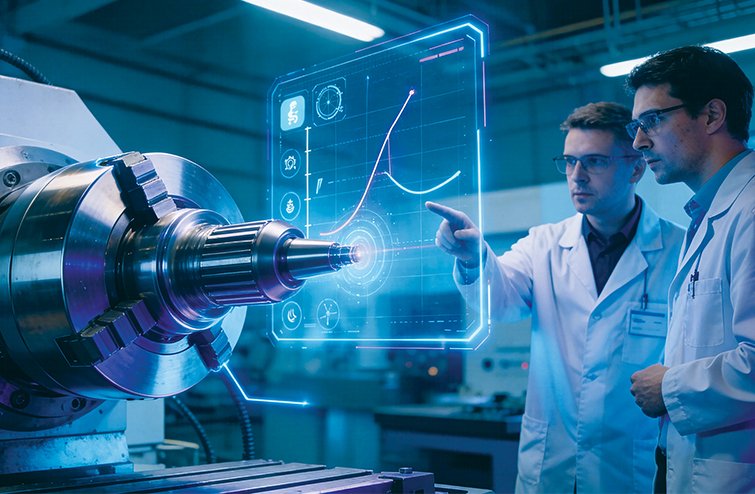
In the world of modern manufacturing, precision, speed, and efficiency are critical factors that determine productivity and product quality. At the center of every high-performance machine tool lies a crucial component known as the spindle. Often referred to as the heartbeat of machine tools, spindles play a vital role in ensuring accurate machining operations across industries such as automotive, aerospace, medical equipment, electronics, and metal fabrication.
What Is a Spindle?
A spindle is a rotating axis or shaft used in machine tools to hold and drive cutting tools or workpieces. It transfers power from the machine’s motor to the cutting tool, enabling operations such as milling, drilling, turning, grinding, and boring. The spindle’s speed, accuracy, and stability directly influence machining performance and surface finish quality.
Modern machine tool spindles are engineered to deliver exceptional rotational speeds while maintaining precise alignment and minimal vibration. This makes them indispensable for high-precision manufacturing applications.
Types of Machine Tool Spindles
Different machining processes require different spindle configurations. Some of the most common types include:
1. Milling Machine Spindles
These spindles are designed to rotate cutting tools used in milling operations. They are available in vertical and horizontal configurations and are widely used in CNC machining centers.
2. Lathe Spindles
Lathe spindles hold and rotate the workpiece while stationary cutting tools shape the material. They are commonly used for producing cylindrical components.
3. Grinding Spindles
Grinding spindles are specifically designed for high-speed grinding applications where superior precision and surface finish are required.
4. High-Speed CNC Spindles
These advanced spindles can operate at extremely high RPMs, making them ideal for industries requiring intricate machining and rapid production cycles.
Key Components of a Spindle
A spindle assembly consists of several critical parts that work together to ensure smooth operation:
- Shaft: The central rotating component.
- Bearings: Support the shaft and minimize friction.
- Housing: Protects internal components.
- Motor: Provides rotational power.
- Cooling System: Prevents overheating during prolonged operations.
- Tool Holder Interface: Secures cutting tools in place.
Each component contributes to the spindle’s overall performance, durability, and reliability.
Why Spindles Are Critical in Modern Manufacturing
Precision and Accuracy
A high-quality spindle maintains tight tolerances and reduces runout, ensuring consistent machining accuracy.
Improved Productivity
High-speed spindles allow manufacturers to increase material removal rates, reducing cycle times and boosting production output.
Better Surface Finish
Stable spindle operation minimizes vibration and chatter, resulting in smoother surface finishes and reduced post-processing requirements.
Versatility
Modern CNC spindle systems support a wide range of machining operations, making them suitable for diverse industrial applications.
Factors to Consider When Choosing a Spindle
Selecting the right spindle is essential for achieving optimal machining performance. Important considerations include:
- Maximum spindle speed (RPM)
- Power output
- Torque requirements
- Bearing type and quality
- Cooling mechanism
- Tool compatibility
- Maintenance requirements
Manufacturers should evaluate these factors based on their specific machining needs and production goals.
Common Spindle Problems and Maintenance Tips
Like any machine component, spindles require regular maintenance to ensure peak performance. Common issues include:
- Bearing wear
- Excessive vibration
- Overheating
- Tool holder damage
- Lubrication failure
To extend spindle life, operators should:
- Follow recommended maintenance schedules.
- Monitor vibration levels.
- Ensure proper lubrication.
- Keep cooling systems functioning efficiently.
- Perform routine inspections.
Preventive maintenance helps reduce downtime and costly repairs while maximizing spindle lifespan.
The Future of Spindle Technology
Advancements in spindle technology continue to transform the manufacturing landscape. Smart spindles equipped with sensors and real-time monitoring capabilities are becoming increasingly popular. These systems enable predictive maintenance, improve operational efficiency, and reduce unexpected failures.
Additionally, innovations in bearing technology, cooling systems, and motor design are allowing spindles to operate at higher speeds with greater accuracy and reliability than ever before.
Conclusion
Spindles are undeniably the heartbeat of modern machine tools. Their ability to deliver precision, speed, and reliability makes them essential for today’s advanced manufacturing processes. Whether used in CNC machining centers, lathes, or grinding machines, the right spindle can significantly improve productivity, machining quality, and operational efficiency. As technology continues to evolve, next-generation spindle systems will play an even greater role in shaping the future of industrial manufacturing.