



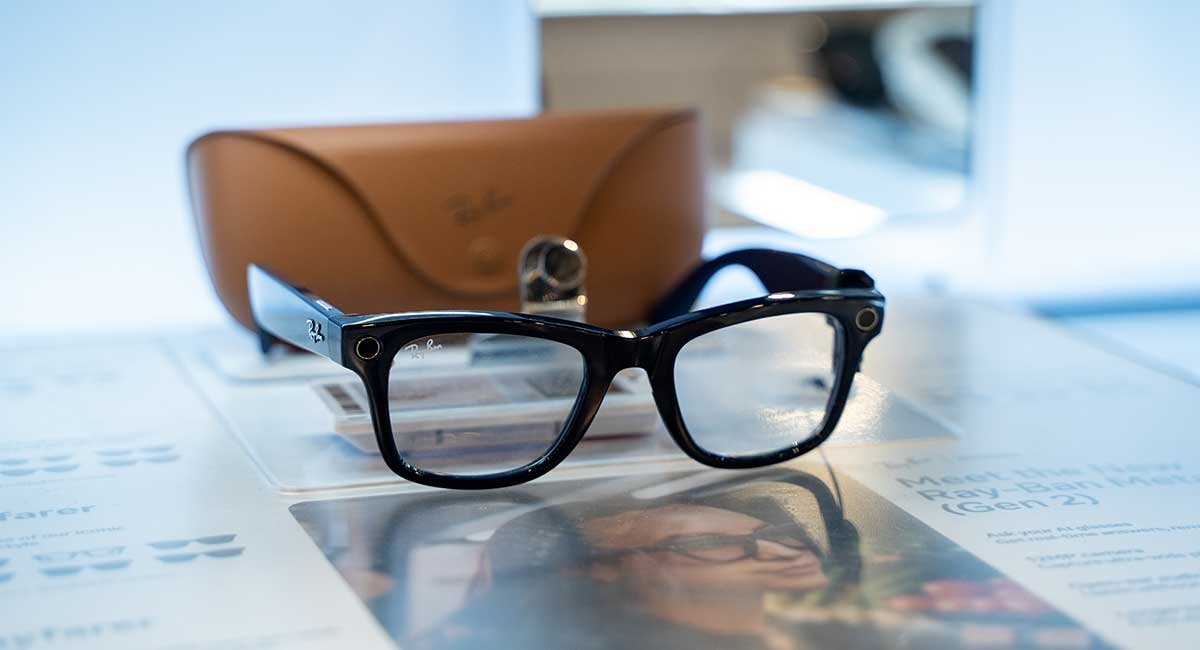
Artificial intelligence (AI) is reshaping the modern workplace, and smart glasses are emerging as one of the most innovative tools driving this transformation. Equipped with cameras, microphones, sensors, and AI-powered software, smart glasses allow employees to access information hands-free, receive real-time instructions, communicate with remote experts, and improve productivity. Industries such as manufacturing, healthcare, logistics, construction, and field services are increasingly adopting wearable AI technology to streamline operations and enhance workplace efficiency.
While the benefits of smart glasses are undeniable, their use also introduces significant legal and compliance challenges. Because these devices collect, process, and store large amounts of data, organizations must carefully manage issues related to privacy, data protection, workplace surveillance, cybersecurity, and employee rights. Failure to address these concerns can expose businesses to regulatory penalties, lawsuits, and reputational damage. Understanding the legal risks associated with wearable AI is therefore essential for any organization considering its implementation.
Privacy and Employee Monitoring Concerns
One of the most significant legal issues surrounding smart glasses is workplace privacy. Many wearable AI devices are capable of recording video, capturing audio, tracking locations, and analyzing employee behavior in real time. While these capabilities can improve productivity and safety, they may also create concerns about excessive workplace monitoring.
Employees may feel uncomfortable if they believe they are under constant surveillance. In some jurisdictions, privacy laws require employers to inform workers about monitoring practices and explain how collected data will be used. Organizations that fail to provide adequate notice or collect unnecessary information may face legal challenges from employees or regulators.
To reduce privacy risks, businesses should establish clear policies regarding the use of smart glasses. Employees should understand what information is being collected, why it is being collected, and how long it will be stored. Transparency and accountability are critical for maintaining trust and ensuring compliance with privacy regulations.
Data Protection and Regulatory Compliance
Smart glasses often process personal and sensitive information, making data protection compliance a major concern. Depending on the organization’s location and operations, wearable AI deployments may be subject to regulations such as the General Data Protection Regulation (GDPR), the California Consumer Privacy Act (CCPA), and other regional privacy laws.
The data collected through smart glasses may include employee records, customer interactions, video footage, audio recordings, location information, and workplace analytics. Organizations must ensure that they have a lawful basis for collecting and processing such information.
Data minimization should be a key principle when implementing wearable AI technology. Businesses should only collect data that is necessary for legitimate operational purposes and avoid excessive monitoring. Strong data governance practices, including access controls, retention schedules, and audit procedures, can help organizations demonstrate compliance and reduce regulatory risks.
Biometric Data and Facial Recognition Risks
Many advanced smart glasses include facial recognition and biometric identification features. These technologies can improve security, streamline authentication processes, and support workplace access control systems. However, biometric information is considered highly sensitive and is often subject to stricter legal protections than other forms of personal data.
Unlike passwords or identification cards, biometric identifiers such as facial scans cannot easily be changed if compromised. As a result, regulators often require organizations to obtain informed consent before collecting or processing biometric information.
Employers using biometric-enabled smart glasses should conduct legal assessments before deployment, establish clear consent procedures, and ensure that collected biometric data is securely stored. They should also implement data retention and deletion policies to prevent unnecessary storage of sensitive information.
Cybersecurity and Data Breach Exposure
As connected devices, smart glasses can create new cybersecurity vulnerabilities within an organization’s technology infrastructure. These devices frequently connect to cloud platforms, enterprise networks, and mobile applications, creating potential entry points for cybercriminals.
A compromised wearable device could expose confidential business information, customer records, intellectual property, or employee data. Cybersecurity incidents involving wearable AI may lead to financial losses, operational disruptions, and legal liability.
Organizations can reduce these risks by implementing comprehensive security measures. Encryption, multi-factor authentication, secure network connections, regular software updates, and endpoint management solutions should be standard components of any wearable AI deployment. Employee training is equally important, as human error remains one of the leading causes of cybersecurity breaches.
Workplace Safety and Employment Law Considerations
Although smart glasses are often introduced to improve workplace safety, they may also create new risks. Employees using wearable displays could experience visual distractions, eye strain, fatigue, or cognitive overload. In safety-sensitive environments, these issues could increase the likelihood of accidents or injuries.
Employers have a legal duty to provide a safe working environment and should conduct thorough risk assessments before deploying wearable AI devices. Proper training programs, safety guidelines, and regular performance evaluations can help ensure that smart glasses enhance rather than compromise workplace safety.
Employment law considerations also arise when AI-generated insights influence performance evaluations, productivity tracking, or disciplinary decisions. Employers should avoid relying solely on automated assessments and ensure that human oversight remains part of any decision-making process involving employees.
Building a Strong AI Governance Framework
Successfully managing the legal risks of smart glasses requires more than compliance with individual regulations. Organizations should develop a comprehensive AI governance framework that addresses privacy, security, ethics, and accountability.
Key elements of an effective governance strategy include clear workplace policies, employee training, regular compliance audits, cybersecurity safeguards, and ongoing monitoring of legal developments. Organizations should also evaluate AI systems for potential bias and ensure that technology is used fairly and transparently.
By establishing strong governance practices, businesses can reduce legal exposure while maximizing the benefits of wearable AI technology.
Conclusion
Smart glasses are transforming the workplace by improving efficiency, communication, training, and operational performance. However, their ability to collect and analyze large volumes of data creates important legal and regulatory challenges. Privacy concerns, data protection obligations, biometric compliance requirements, cybersecurity threats, and employment law issues must all be carefully addressed before implementation.
Organizations that adopt a proactive approach to risk management can successfully leverage wearable AI while maintaining compliance and protecting employee rights. As AI regulations continue to evolve worldwide, businesses that prioritize transparency, security, and responsible governance will be best positioned to benefit from the growing adoption of smart glasses in the workplace.