



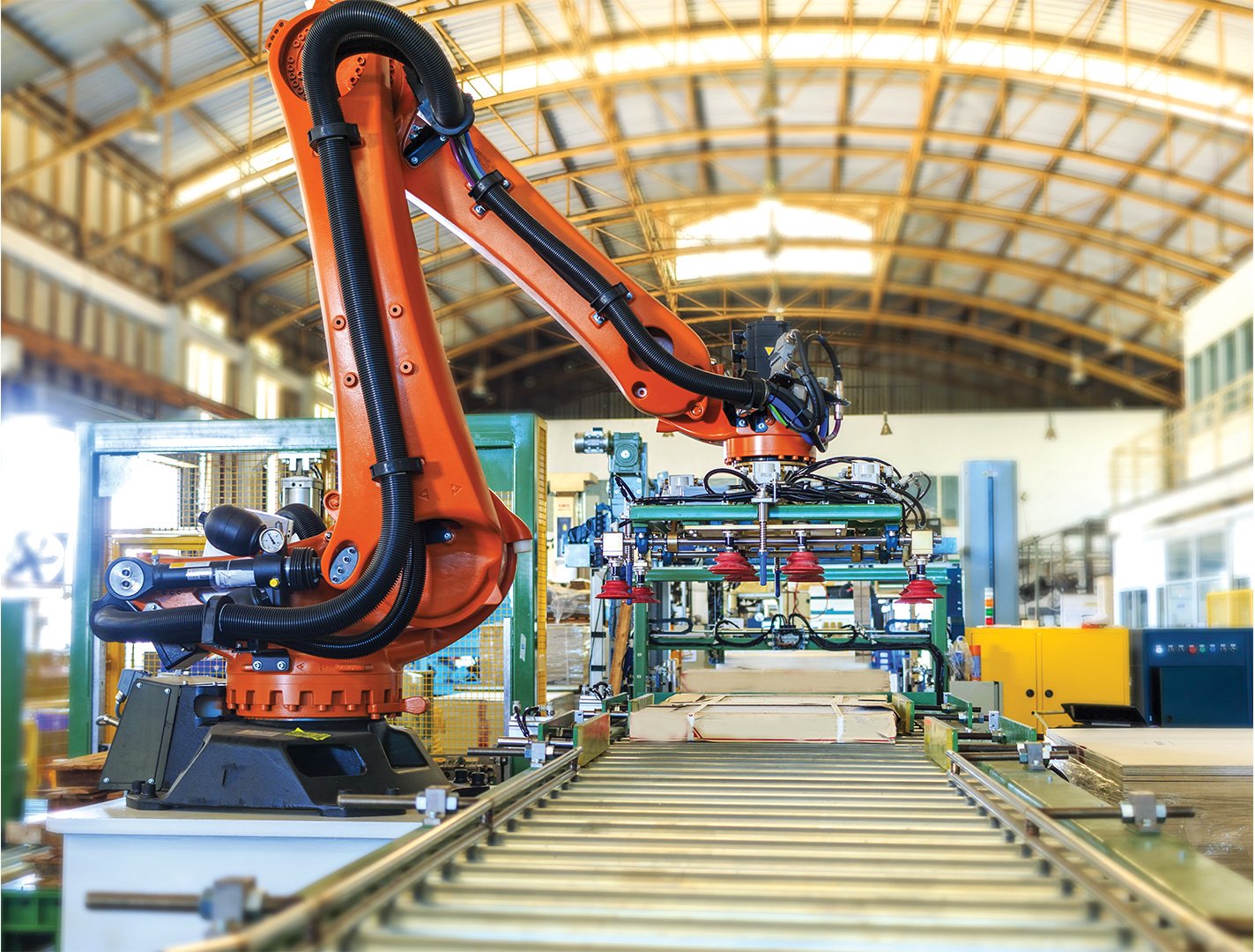
India stands at the cusp of an industrial renaissance. With ambitious initiatives like Make in India, Atmanirbhar Bharat (self-reliant India), and rapid digital transformation, the nation’s manufacturing sector is poised for exponential growth. Central to this evolution are machinery tools—the backbone of manufacturing that shapes, forms, measures, and assembles products ranging from simple components to complex industrial systems.
The Strategic Importance of Machinery Tools
Machinery tools are more than just mechanical devices; they are enablers of precision, efficiency, and scalability in manufacturing. Whether in automotive, aerospace, electronics, metal fabrication, or medical devices, machine tools determine the quality and competitiveness of final products.
In India, the demand for advanced machinery tools is rising due to:
-
Increased investment in capital goods.
-
Demand for higher productivity and manufacturing standards.
-
Need to compete globally with high-precision requirements.
Current Landscape of Machine Tools in India
The Indian machine tool industry has grown steadily, driven by both domestic consumption and exports. However, there remains a considerable technology gap compared to developed economies.
Key characteristics of the current landscape include:
-
Traditional machine tools still dominate production.
-
Higher dependence on imports, especially for CNC (Computer Numerical Control) machines and precision tools.
-
Fragmented manufacturing base with a mix of large enterprises and MSMEs (Micro, Small & Medium Enterprises).
Trends Shaping the Future
1. Digital Transformation and Industry 4.0
Smart manufacturing is reshaping the way machines operate and interact. Industry 4.0 technologies—such as IoT (Internet of Things), AI (Artificial Intelligence), and sensor-based monitoring—are being integrated into machine tools to:
-
Enable real-time performance tracking.
-
Predict maintenance needs to reduce downtime.
-
Enhance automation and reduce human error.
Connected machine tools can share data across production lines, leading to optimized workflows and higher throughput.
2. Adoption of CNC and Advanced Manufacturing
India is witnessing a shift toward CNC-based machines, which offer:
-
Higher precision and repeatability.
-
Faster setup changes and flexible manufacturing.
-
Better integration with digital design tools.
The adoption of additive manufacturing (3D printing) alongside traditional subtractive tools is enabling hybrid fabrication methods for complex geometries and lightweight designs.
3. Skill Development and Workforce Transformation
Advanced machinery requires skilled operators, programmers, and maintenance technicians. To ensure readiness for the future:
-
Educational institutions are introducing mechatronics and automation courses.
-
Government and industry initiatives are fostering skilling programs.
-
Businesses are investing in upskilling existing employees.
Skilled manpower will be crucial to unlocking the full potential of high-tech machinery.
4. Local Manufacturing and Reduced Imports
To reduce reliance on imports and boost domestic production:
-
The government has incentivized domestic manufacturing of machine tools through schemes like PLI (Production Linked Incentive).
-
Indian firms are investing in R&D to develop indigenous solutions tailored to local industry needs.
-
Partnerships with global technology leaders are facilitating technology transfers.
This shift will improve the value chain resilience and balance of trade.
5. Sustainability and Energy Efficiency
Environmental concerns and rising energy costs are pushing manufacturers toward energy-efficient machinery. Modern machine tools are designed for:
-
Lower energy consumption.
-
Reduced waste generation.
-
Recyclability of components.
Green manufacturing practices are becoming a competitive advantage in global markets.
Challenges Ahead
Despite strong momentum, the machinery tool ecosystem in India faces hurdles:
-
High upfront costs for advanced machines.
-
Limited R&D investment compared to global leaders.
-
Infrastructure gaps in power, logistics, and digital connectivity.
-
A need for standardized quality benchmarks across the industry.
Addressing these challenges requires concerted efforts from the government, industry, academia, and research institutions.
The Road Ahead: Vision 2035
By 2035, India’s manufacturing sector is expected to:
-
Rank among the top global manufacturing hubs.
-
Produce a higher share of export-ready machinery tools.
-
Embrace fully automated and digitally integrated factories.
The machine tool industry will evolve from a supporting player to a strategic growth driver, shaping the future of Indian manufacturing.
Conclusion
The future of machine tools in India is bright and transformative. Driven by innovation, digitalization, and policy support, machinery tools will play a pivotal role in scaling India’s manufacturing capabilities. With focused investments in technology and people, India can leapfrog toward high-precision, high-value manufacturing, anchoring sustained economic growth and global competitiveness.