



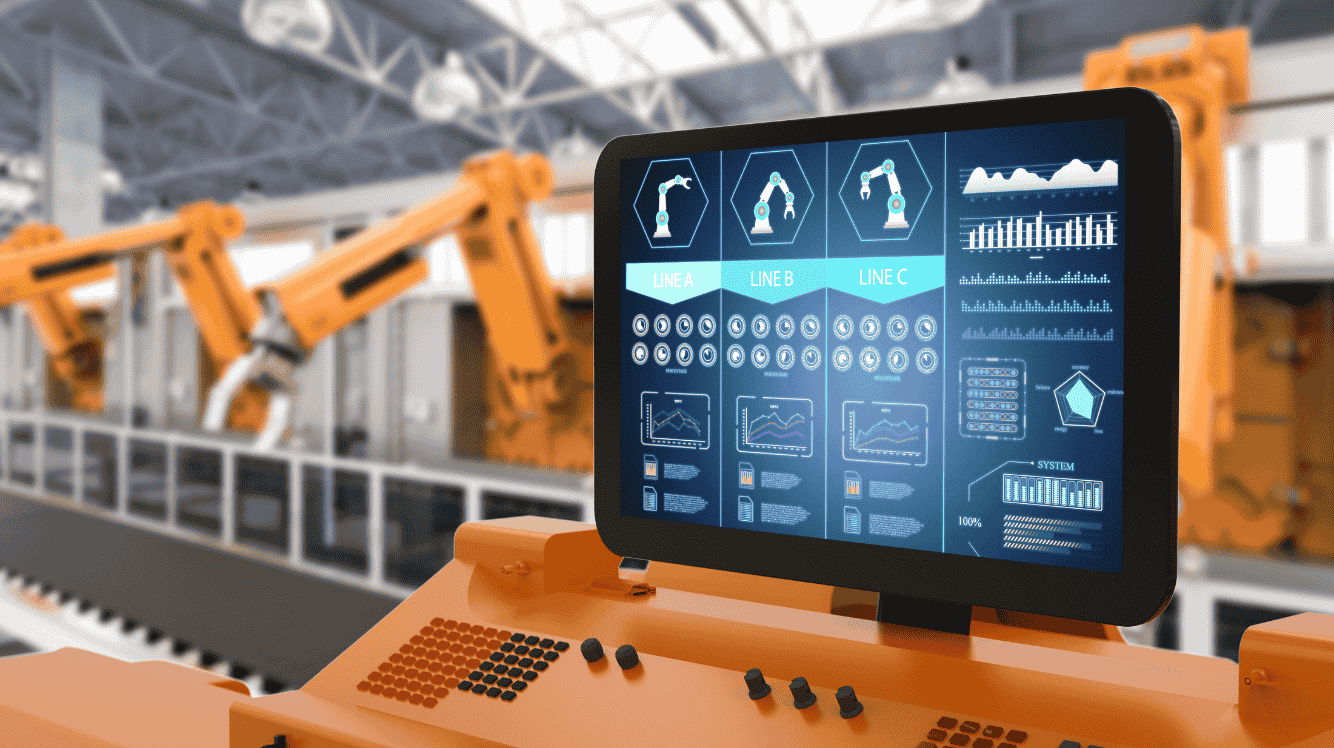
Automation has become one of the most significant forces shaping modern industry. It refers to the use of advanced machines, control systems, and digital technologies to perform tasks with little or no human involvement. As industries strive for greater efficiency, accuracy, and safety, automation is transforming traditional machinery and tools into intelligent systems capable of operating independently. This transformation has changed how goods are produced, services are delivered, and industries compete in a global market.
Evolution of Industrial Automation
The journey of industrial automation began during the early stages of the Industrial Revolution, when machines were first introduced to reduce manual labor. Initially, these machines were mechanically operated and required constant human supervision. With the discovery of electricity, machines became more powerful and reliable, allowing factories to increase production.
The next major advancement came with the introduction of computers and programmable logic controllers (PLCs). These systems enabled machines to follow programmed instructions and perform repetitive tasks with precision. Today, automation has entered a new phase driven by robotics, artificial intelligence (AI), sensors, and the Internet of Things (IoT). Modern industrial machines can now collect data, analyze conditions, and make decisions in real time, marking a shift from simple automation to smart manufacturing.
Transformation of Machinery and Tools
Automation has significantly changed the design and function of industrial machinery and tools. Traditional hand-operated tools have been replaced by automated and computer-controlled equipment such as robotic arms, CNC machines, and automated conveyor systems. These machines can perform complex tasks such as welding, cutting, assembling, and packaging with a high level of consistency.
Automated tools are especially valuable in industries that require precision, such as aerospace, automotive manufacturing, electronics, and medical equipment production. For example, CNC machines can produce identical components with exact measurements, reducing material waste and ensuring uniform quality. Robotic systems can also adapt to different tasks by changing software programs, making them more flexible than traditional machines.
Benefits of Automation in Industry
One of the most important benefits of automation is increased productivity. Automated machines can operate continuously without fatigue, allowing industries to meet high production demands. This leads to faster production cycles and improved efficiency.
Another major advantage is improved safety. Many industrial jobs involve dangerous tasks such as handling heavy materials, working with high temperatures, or exposure to harmful substances. Automation allows machines to perform these tasks instead of humans, significantly reducing workplace accidents and injuries.
Automation also improves product quality. Since machines follow precise instructions, they produce consistent results with minimal errors. This reliability is crucial in industries where even small mistakes can lead to serious consequences. In addition, automation can reduce long-term costs by minimizing waste, lowering labor expenses, and improving energy efficiency.
Challenges and Social Impact
Despite its advantages, automation presents several challenges. The initial cost of purchasing, installing, and maintaining automated systems can be very high, especially for small and medium-sized businesses. Industries also require skilled workers who can program, monitor, and repair automated machinery, increasing the demand for technical education and training.
One of the most widely discussed concerns is job displacement. As machines take over repetitive and routine tasks, some traditional jobs may disappear. However, automation also creates new opportunities in areas such as system design, maintenance, data analysis, and robotics engineering. To address this challenge, governments and industries must invest in reskilling and upskilling workers so they can adapt to new roles.
Automation and Smart Factories
The concept of smart factories represents the future of industrial automation. In these factories, machines, tools, and systems are connected through digital networks. Sensors collect data on performance, temperature, and energy use, while AI systems analyze this data to improve efficiency and predict maintenance needs.
Smart factories allow for flexible production, meaning manufacturers can quickly adjust to changes in customer demand. This level of adaptability was not possible with traditional machinery. Automation also supports sustainable practices by optimizing energy use and reducing waste, helping industries minimize their environmental impact.
Conclusion
Automation in modern industry has transformed machinery and tools from simple mechanical devices into intelligent, self-operating systems. By improving productivity, safety, quality, and efficiency, automation has become essential to industrial growth and innovation. While challenges such as high costs and workforce adaptation remain, the benefits of automation far outweigh the drawbacks. As technology continues to advance, automation will play an even greater role in shaping the future of industry, creating a world where humans and machines work together to achieve higher levels of progress and efficiency.