



How Sandvik Coromant Is Driving Innovation and Sustainable Manufacturing
Sandvik Coromant continues to shape the future of manufacturing by combining its strong industrial heritage with innovation, digital transformation and sustainability leadership. As manufacturers worldwide navigate rapid technological shifts, increasing cost pressures and evolving customer expectations, the company remains focused on helping businesses unlock new growth opportunities while building long-term resilience.
Building the Future on a Strong Industrial Heritage
As a global leader in cutting tools and advanced manufacturing solutions, Sandvik Coromant believes sustainable growth depends on balancing operational performance with future-focused transformation. While maintaining its market-leading position, the company continues investing in innovation, efficiency and customer-centric strategies to stay ahead in a rapidly changing industrial landscape.
A strong culture of learning, curiosity and psychological safety plays a central role in this transformation. Empowered teams with a customer-first mindset help turn strategy into action by encouraging innovation, experimentation and continuous improvement across manufacturing operations.
Manufacturing Industry Trends Defining 2026
The manufacturing sector is undergoing a significant technological evolution driven by digitalization, sustainability, rising material costs and ongoing workforce challenges. Rather than viewing these changes as disruptions, manufacturers increasingly see them as opportunities to improve efficiency, productivity and competitiveness.
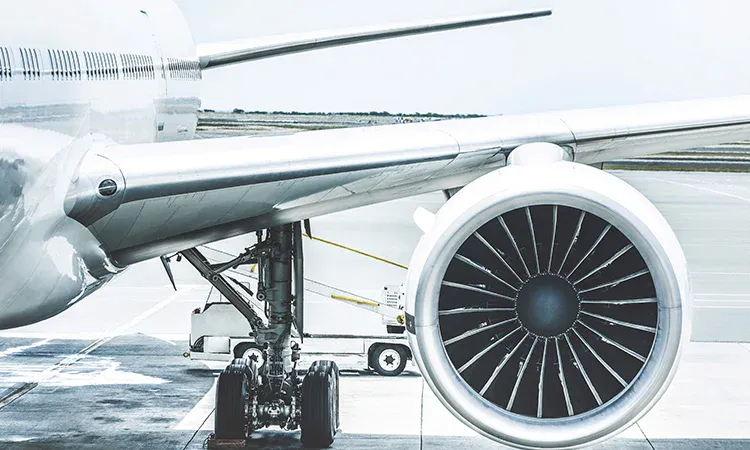
Industries such as aerospace are accelerating demand for advanced machining technologies, lightweight structures and high-performance materials including titanium and heat-resistant superalloys. According to Deloitte’s 2026 Aerospace and Defense Industry Outlook, rising passenger demand, fleet modernization and expanding defense programs are fueling one of the strongest aerospace manufacturing cycles in over a decade.
These market dynamics are pushing manufacturers to adopt more sophisticated machining solutions and smarter production technologies to meet evolving industry requirements.
AI in Manufacturing: Driving Smart Factory Innovation
Artificial intelligence is rapidly becoming a strategic business capability across the manufacturing industry. AI is now being integrated into operations, supply chain management, procurement and quality control to improve productivity and operational efficiency.
Sandvik Coromant has invested heavily in AI development through a dedicated team focused on maximizing the value of intelligent manufacturing technologies. Industry data from Xometry’s Manufacturing Outlook 2026 shows that 82% of manufacturing executives now view AI as a major growth driver, with many already reporting measurable ROI.
Looking ahead, AI-powered smart factories are expected to become standard across manufacturing environments. Intelligent systems will increasingly optimize machining parameters in real time, reduce production waste, predict maintenance needs and improve overall operational resilience.
Manufacturers that successfully integrate AI into their culture, leadership and workflows will gain a competitive advantage through improved efficiency, sustainability and customer value creation.
Sustainability in Manufacturing Becomes a Core Business Strategy
Sustainability is no longer optional in modern manufacturing. Environmental responsibility, resource efficiency and carbon reduction are becoming essential components of long-term industrial competitiveness.
At the COP30 climate conference in Brazil, António Guterres emphasized the urgent need for faster climate action and stronger industrial sustainability initiatives. Manufacturers worldwide are now expected to translate sustainability goals into measurable operational outcomes.
To support circular manufacturing, Sandvik Coromant has expanded initiatives such as its carbide tool buyback and recycling program. This solution allows customers to return used carbide tools for recycling and circular production, helping reduce dependency on virgin raw materials while improving long-term resource security.
Digital platforms simplify logistics, pricing and CO2 reporting, making sustainability more practical and accessible for manufacturers. The company is also digitizing its reconditioning services, enabling customers to maximize tool life, improve operational efficiency and strengthen profitability in an increasingly cost-sensitive market.
Another major innovation is the Sustainability Analyzer introduced in 2025. This tool helps manufacturers measure potential CO2 reductions achieved through more efficient machining solutions, allowing sustainability performance to become a measurable factor in investment and production decisions.
The Future of Manufacturing: Digital, Sustainable and Collaborative
As manufacturing moves into 2026, customers increasingly expect more than high-quality products. They seek strategic partnerships, digital-first solutions and suppliers committed to sustainability and innovation.
Sandvik Coromant remains strongly positioned to support this shift by combining operational excellence with long-term transformation. Through investments in AI, sustainable manufacturing and workforce development, the company continues to strengthen its role as both an industry partner and an employer of choice.
The future of manufacturing will be shaped by organizations that embrace learning, innovation, digitalization and sustainability while creating measurable value for customers and the broader industrial ecosystem.